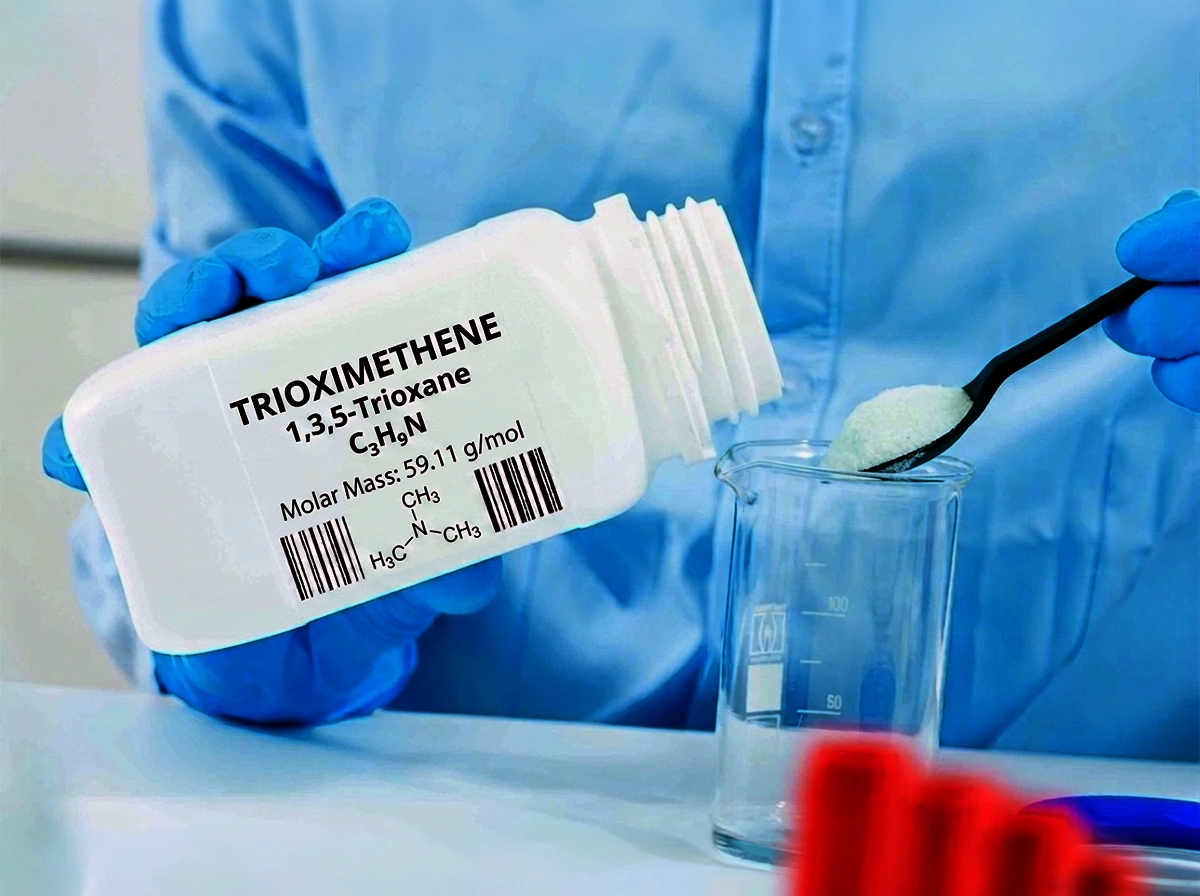
Product Overview
- Trioximethene, more formally known as 1,3,5-Trioxane, is the cyclic trimer of formaldehyde, appearing as a white, crystalline solid with a characteristic mild, sweet odor. It readily depolymerizes back to monomeric formaldehyde under acidic conditions or heat, which underlies its primary industrial value as a stable, easy-to-handle formaldehyde source. Trioximethene is soluble in water and most polar organic solvents, and is chemically stable under normal ambient storage conditions when kept dry. Procorbay International supplies industrial-grade Trioximethene widely used as a formaldehyde-release agent and comonomer in polyacetal (POM) resin manufacturing, as well as a raw material in specialty resin and adhesive formulation.
-
Trioximethene is manufactured through the acid-catalyzed trimerization of formaldehyde solution, followed by distillation and crystallization to achieve the required industrial purity. Procorbay sources Trioximethene from established formaldehyde-derivative manufacturers with consistent quality control over purity, moisture content, and formaldehyde-equivalent specifications.
-
Industrially, Trioximethene's most significant application is as a monomer and comonomer in the production of polyoxymethylene (POM, acetal) engineering plastics, where it is copolymerized with small amounts of comonomer (such as ethylene oxide or 1,3-dioxolane) to produce high-performance engineering resins used in automotive, electronics, and precision mechanical component manufacturing. Beyond polymer manufacturing, it serves as a controlled-release formaldehyde source in resin curing systems, adhesive formulations, and certain specialty chemical synthesis processes where solid, stable formaldehyde equivalents are preferred over aqueous formalin solutions for handling and dosing precision.
-
Given its central role in acetal resin manufacturing and specialty formaldehyde-release applications, Procorbay maintains consistent supply of Trioximethene to serve polymer manufacturers and specialty chemical formulators requiring reliable batch quality and formaldehyde-equivalent consistency.
Applications
- Chemical Manufacturing: Monomer/comonomer in polyoxymethylene (POM, acetal) engineering resin production.
- Industrial Processing: Controlled-release formaldehyde source in resin curing and adhesive formulations.
- Chemical Manufacturing (Specialty): Raw material in various specialty formaldehyde-derivative chemical synthesis routes.
Benefits
- Stable, solid formaldehyde equivalent for precision dosing applications
- Key raw material for high-performance polyacetal (POM) engineering resins
- Water-soluble and compatible with a range of polar solvent systems
- Consistent purity and formaldehyde-equivalent content across batches
- Easier and safer to handle than aqueous formalin solutions
- Established, well-documented industrial synthesis and application history
- Suitable for both polymer manufacturing and specialty resin curing applications
- Reliable bulk availability for continuous industrial polymer production

Related Products
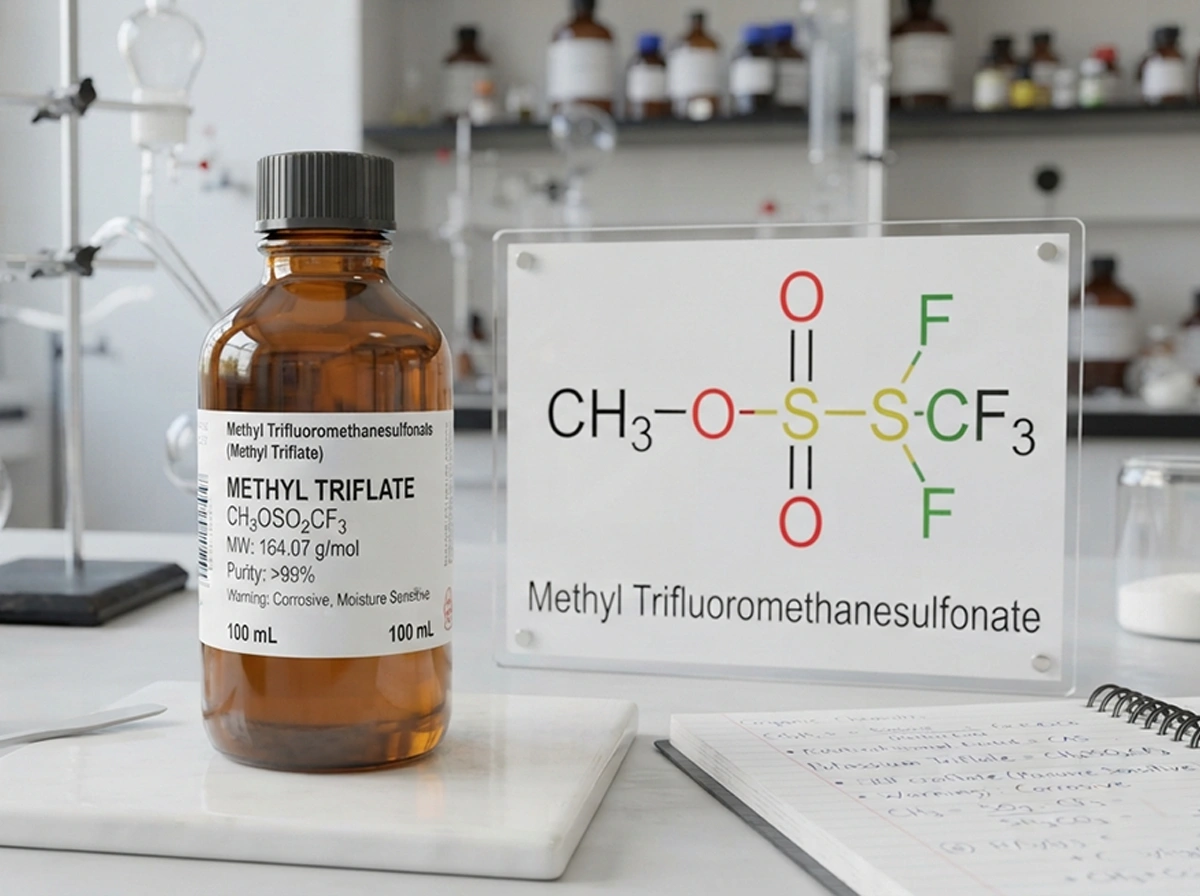
Methyl Trifluoromethanesulfonate (Methyl Triflate)
Methyl Trifluoromethanesulfonate, widely known as Methyl Triflate, is an exce...
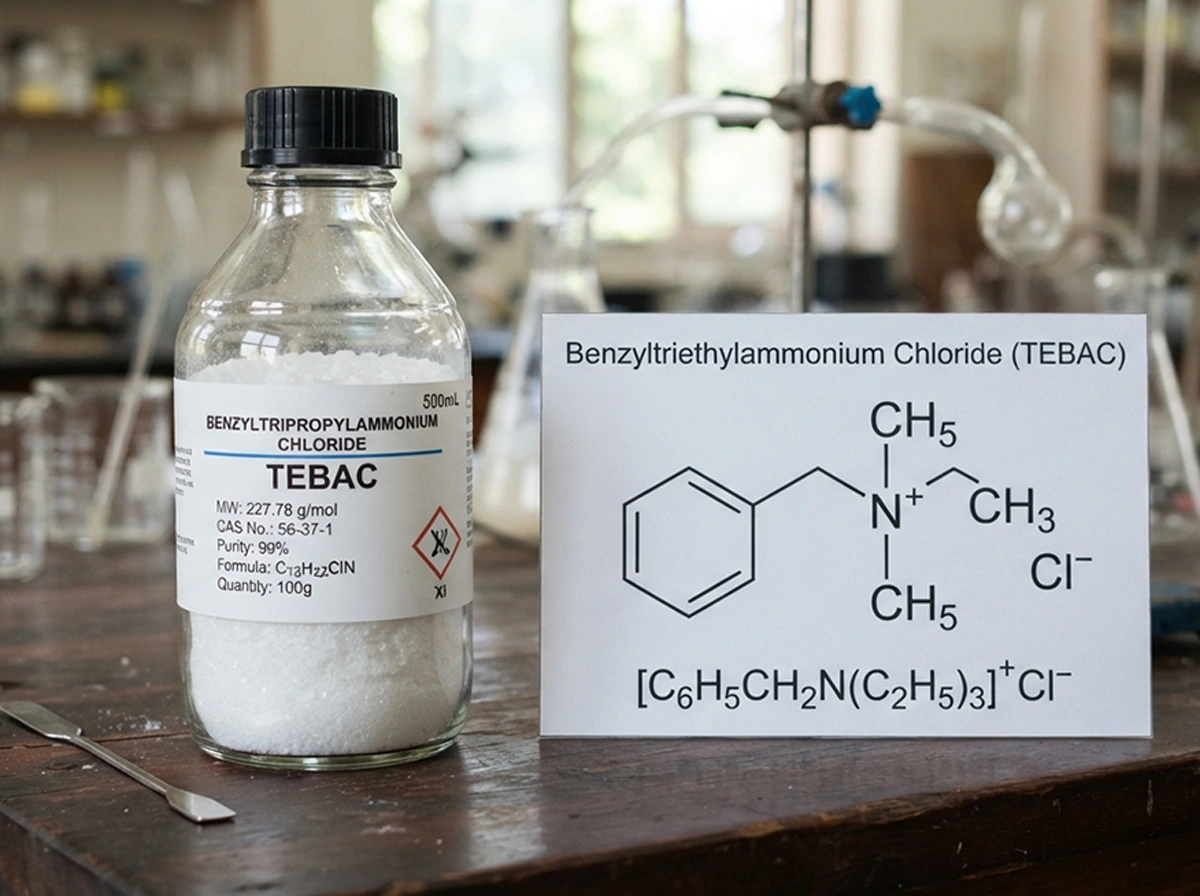
Benzyltriethylammonium Chloride (TEBAC)
Benzyltriethylammonium Chloride, commonly abbreviated as TEBAC or BTEAC, is a...
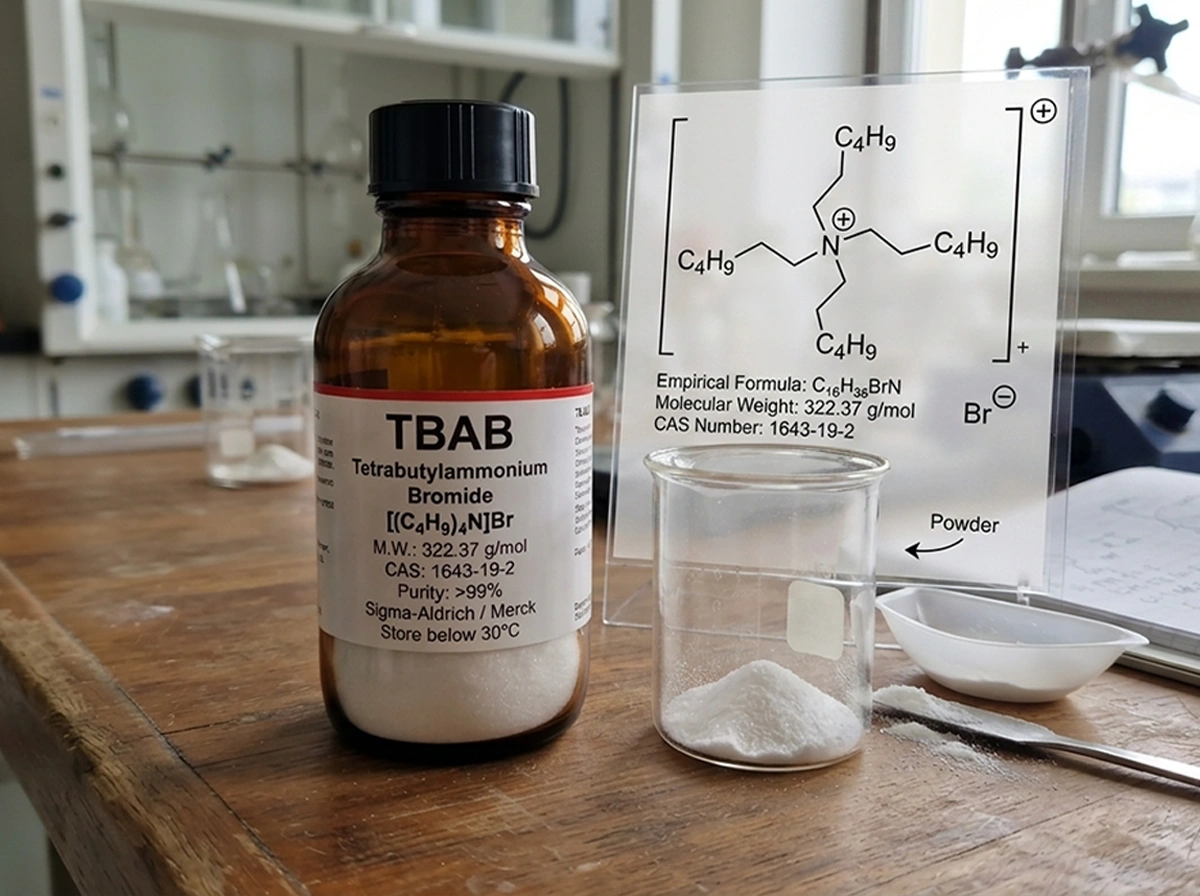
TBAB (Tetrabutylammonium Bromide)
TBAB, or Tetrabutylammonium Bromide, is a quaternary ammonium salt widely use...
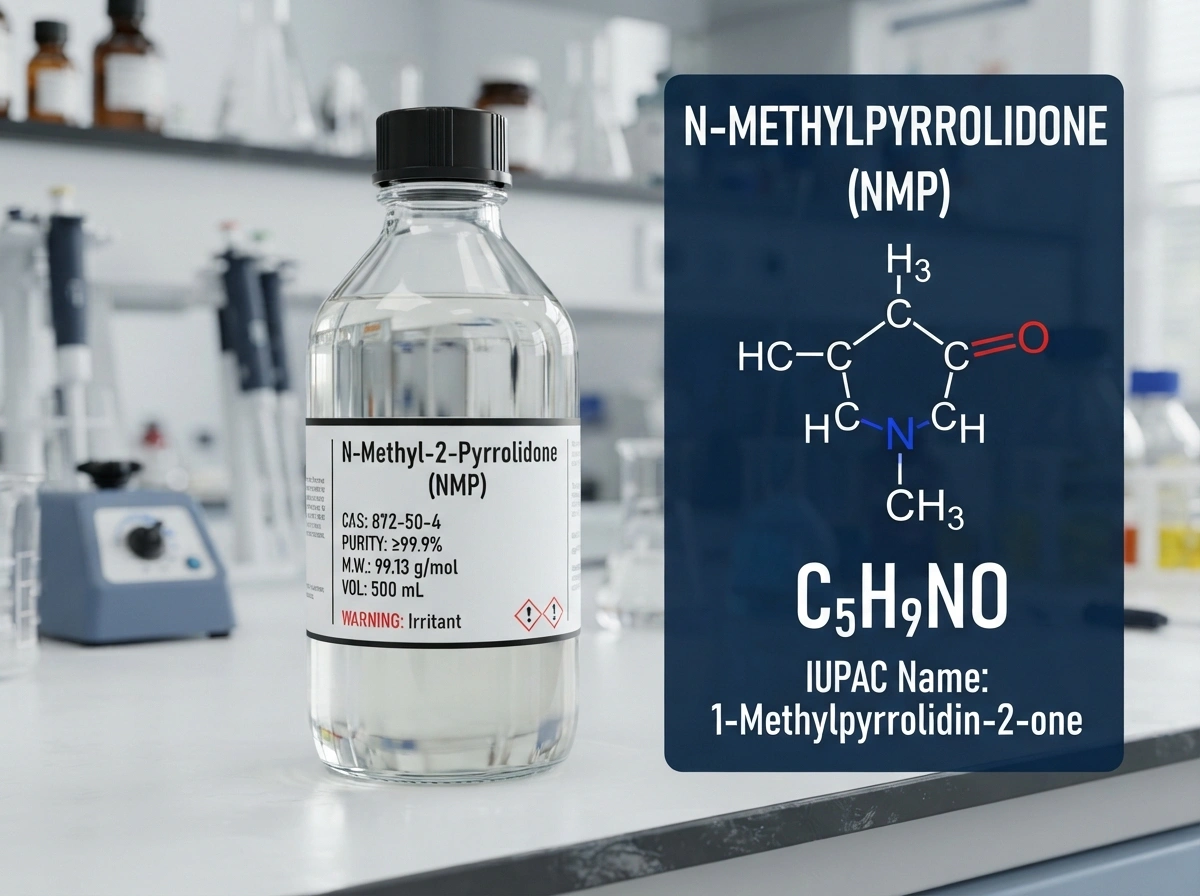
N-Methylpyrrolidone
N-Methylpyrrolidone (NMP) is a powerful, high-boiling polar aprotic solvent w...