Source high-purity Anisyl Alcohol for perfumes, personal care products and food flavor formulations. Learn about its fragrance profile and applications.
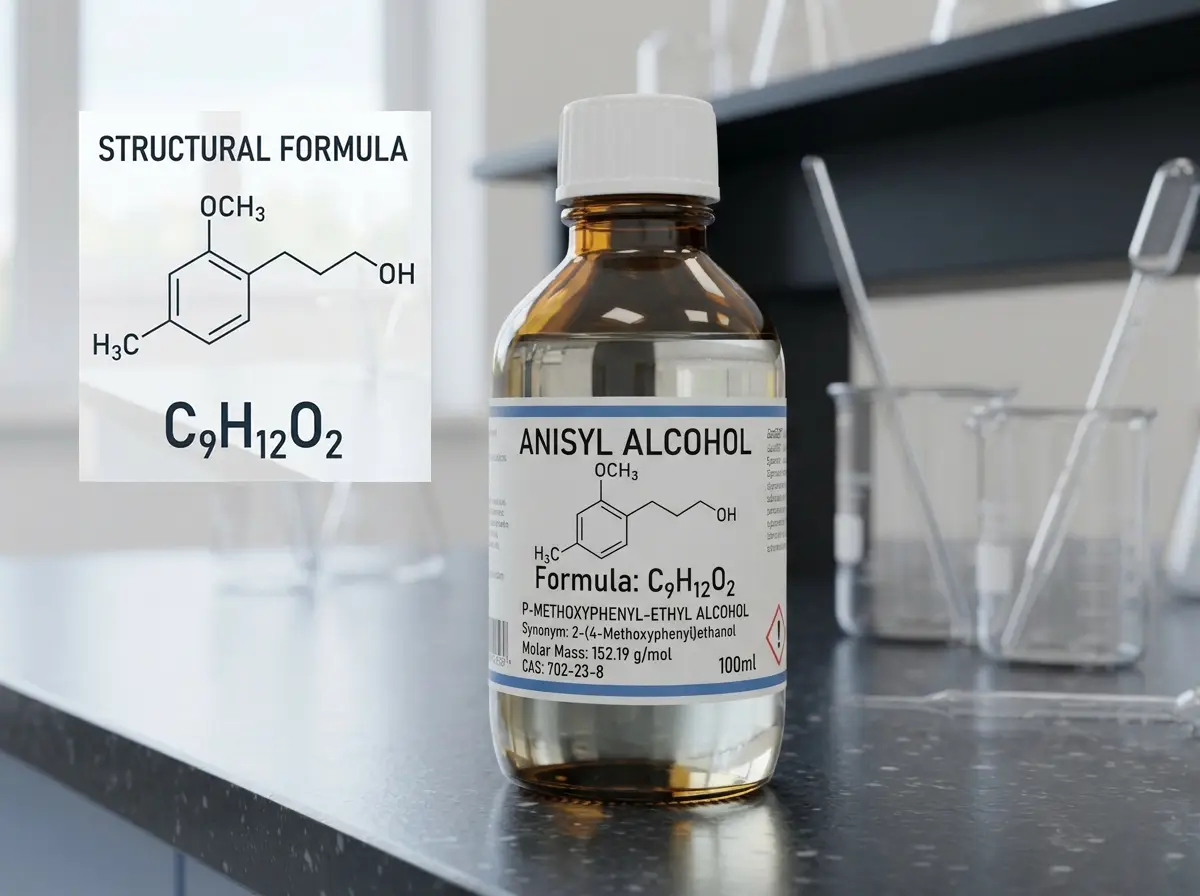
Product Overview
- P-Methoxyphenyl-Ethyl Alcohol, widely identified across international flavor and cosmetic networks by its trade designation Anisyl Alcohol, is an aromatic organic compound used as a fragrance builder and flavor enhancer. Structurally, it consists of an ethyl alcohol chain bonded directly to a p-anisyl (4-methoxyphenyl) ring network. It is commercially supplied as a clear, colorless to light yellow liquid or low-melting crystalline mass that releases a sweet, floral, powdery hawthorn-anise aroma. ProCorBay International distributes premium, high-assay Anisyl Alcohol to international perfume compounding facilities, fine cosmetic houses, and custom food flavor blending labs requiring reliable olfactory consistency.
- Anisyl Alcohol is typically manufactured through the controlled reduction of anisaldehyde using specialized catalytic hydrogenation platforms, followed by fractionated vacuum distillation to achieve crisp, high-purity fractions. ProCorBay actively monitors supply chains with leading specialty aroma refineries to deliver lots with minimal residual anisaldehyde or volatile organic impurities.
- This aromatic molecule is highly prized for its exceptional fixative attributes, working as a core mid-note component across sophisticated floral formulations like lilac, lily, hawthorn, and sweet orchid perfumes. Within the industrial flavoring domain, it adds a rich, fruity-sweet vanilla and anise-like profile to sweet confections, bakery coatings, chewing gums, and liquor preparations. ProCorBay serves as a key logistical partner, delivering complete safety certificates and batch data to ensure hassle-free regulatory compliance.
Applications
- Fine Fragrances: Essential structural component for blending premium perfumes, luxury fabric softeners, and aromatic candle waxes.
- Personal Care Cosmetics: Sweet floral additive used in formulating luxury body soaps, skin creams, and aromatic shampoos.
- Food & Flavor Blends: Specialty flavor compound used to enrich imitation vanilla essences, berry profiles, and liquor formulations.
Benefits
- Rich Olfactory Profile: Delivers a persistent, soft, powdery floral note with sweet anise back-tones.
- Excellent Olfactory Fixative: Stabilizes volatile top notes, extending the fragrance life of final consumer products.
- High Chemical Assay: ≥ 98.0% minimum purity profile limits off-note odor variations during aging.
- Cosmetic Compatibility: Dissolves smoothly within essential oils, synthetic aroma chemical bases, and alcohol vehicles.
- Regulatory Compliance: Fully documented to comply with current international fragrance standards and food safety regulations.

Related Products
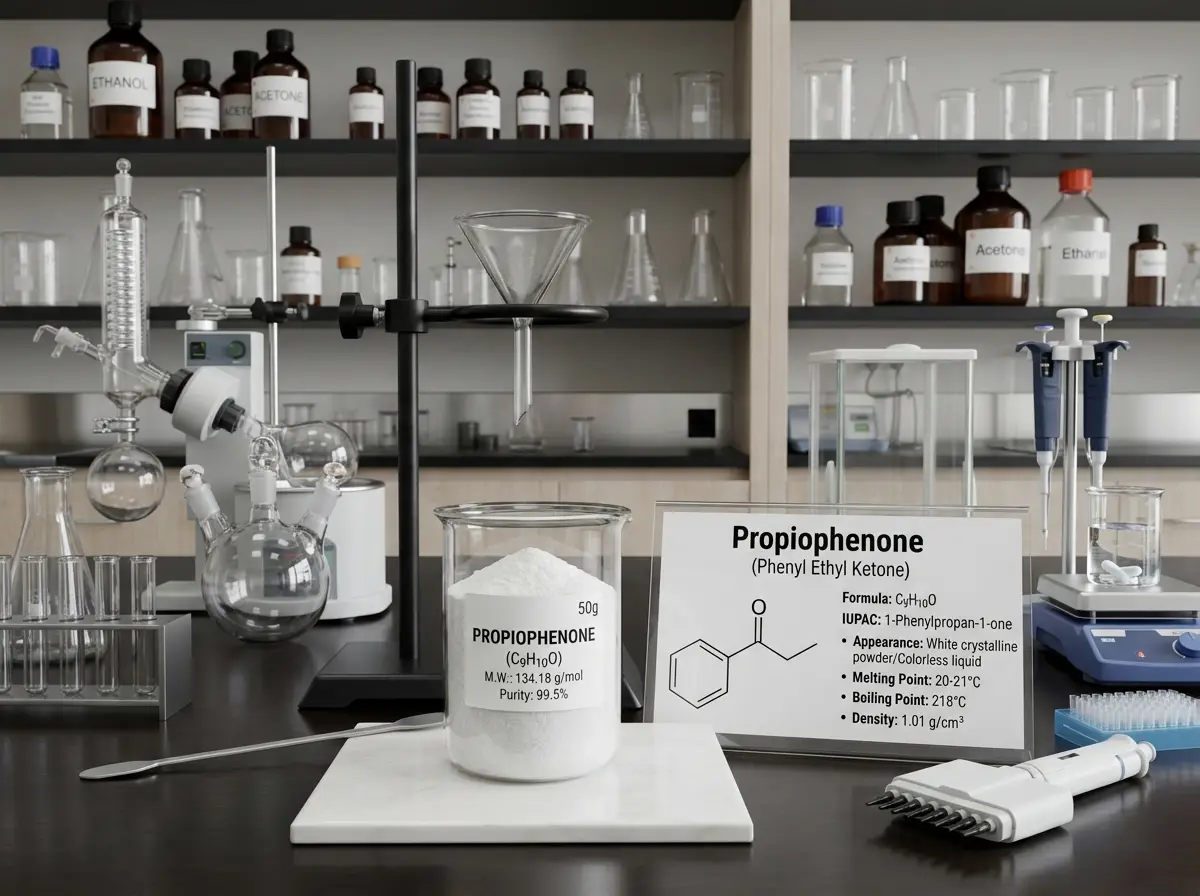
Propiophenone
Propiophenone, chemically classified as an aryl ketone compound, is a key...
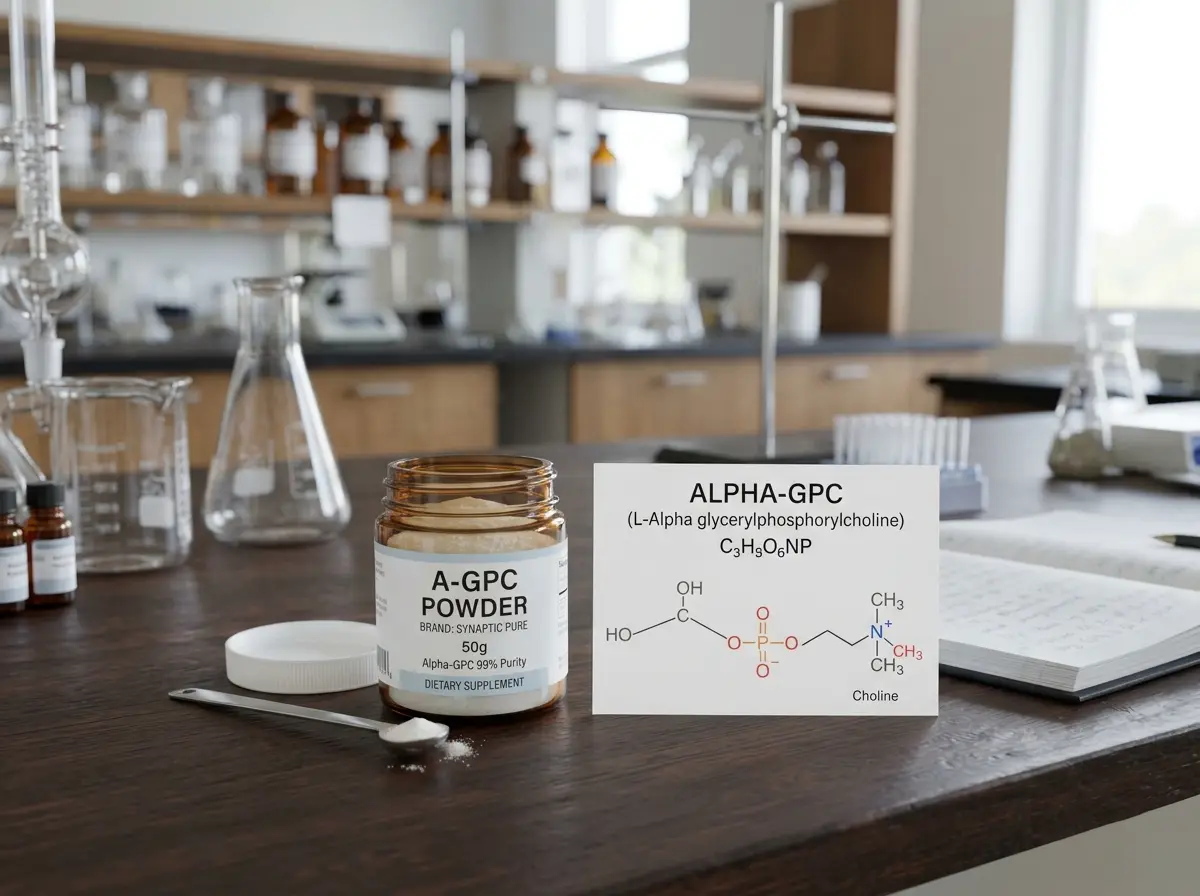
Phosphoryl Choline (GPC)
Phosphoryl Choline, widely designated across neurological and clinical nu...
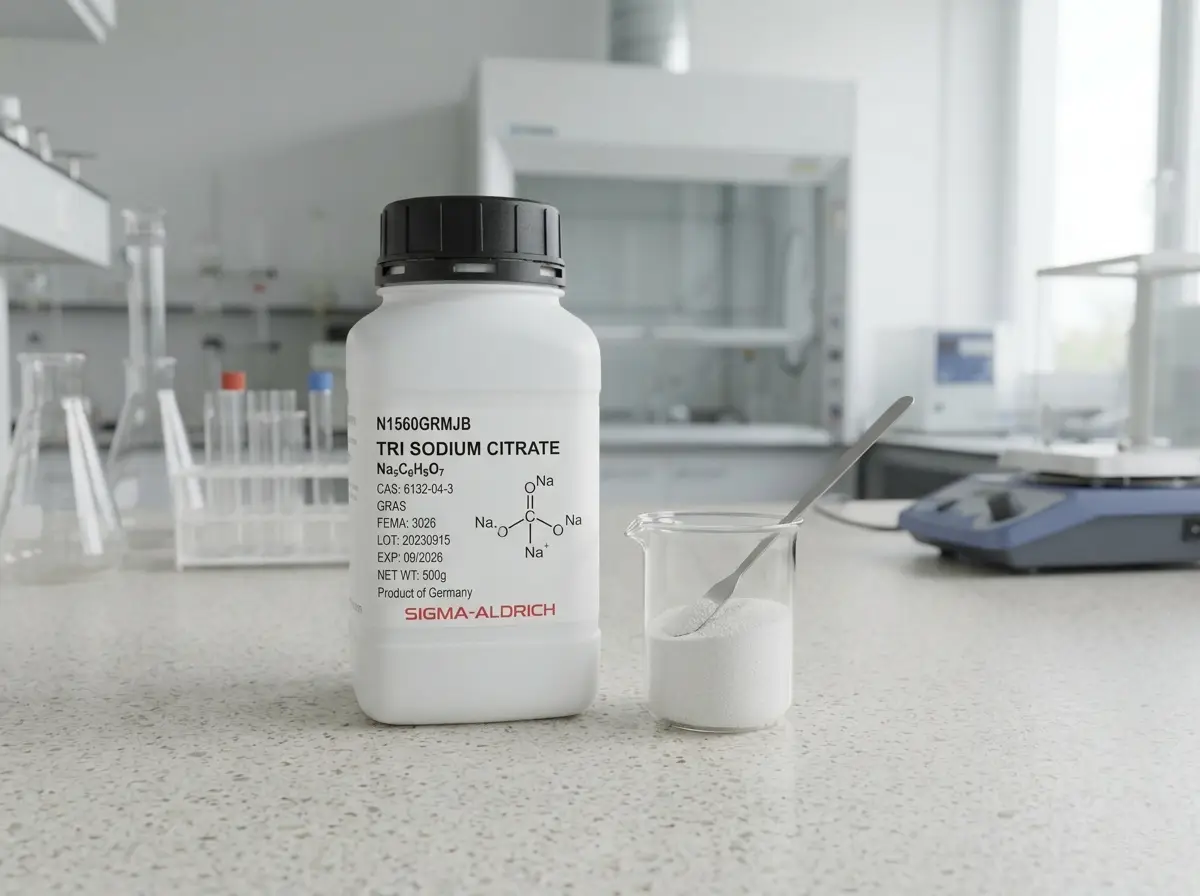
Tri Sodium Citrate (N1560GRMJB)
Tri Sodium Citrate (Grade N1560GRMJB) is a specialized, high-purity cryst...
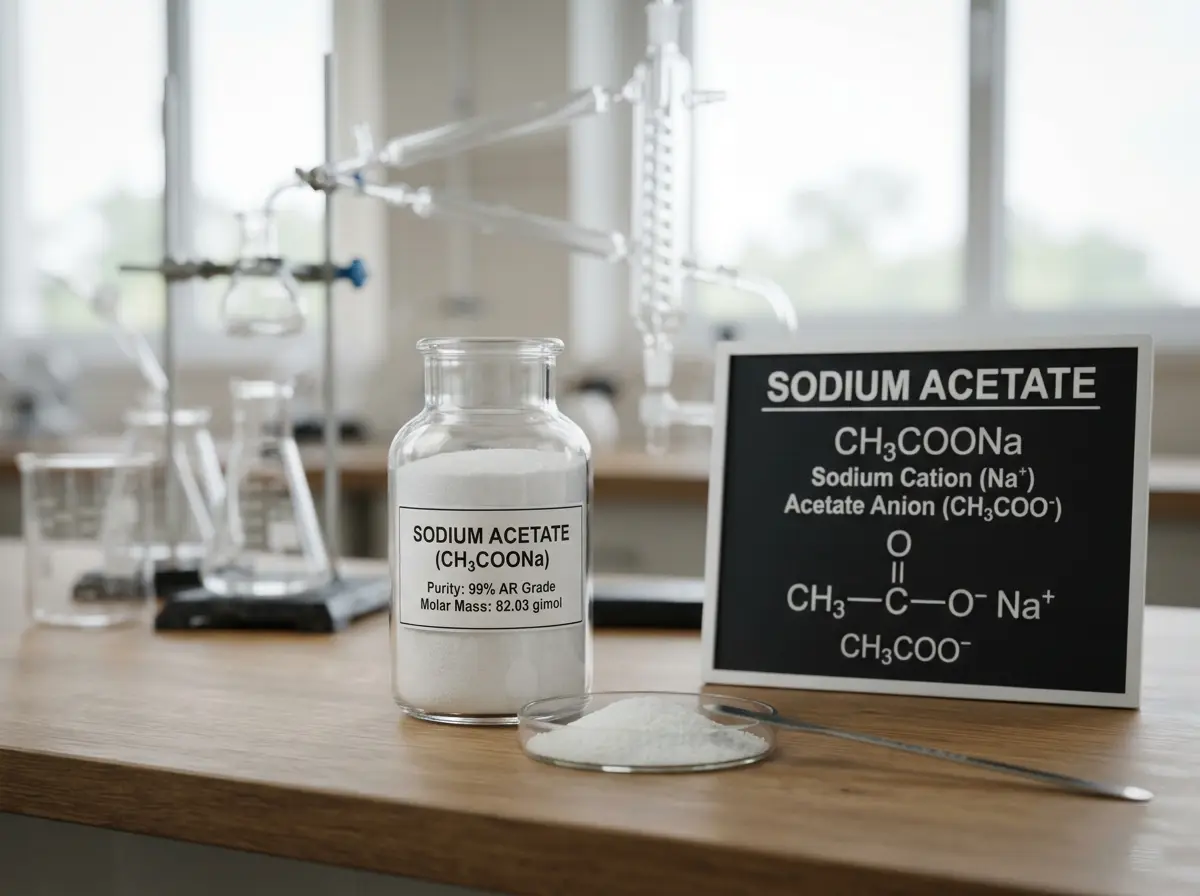
Sodium Acetate
Sodium Acetate is a highly versatile organic sodium salt widely utilized...